What is a Community Land Trust (CLT)?
A CLT is a democratic non-profit organisation that holds land or buildings on behalf of a place-based community, while serving as the long-term steward for primarily affordable housing but also for community enterprises such as community gardens, allotments, pubs, shops, shared workspace, playing fields, playgrounds, energy schemes, nature reserves and other community assets, each on behalf of a defined community.
Properties (land and buildings) developed by a CLT are always subject to what is known as an asset lock so that they do not become part of the commercial property market.
A CLT is run by ordinary people who form a community organisation because they want to make a difference to their local community, putting control of assets into the hands of local people. They can be set up by the community or a landowner, developer or council.
Members can then vote at an annual general meeting (AGM) for a board of trustees to run the CLT. They may propose themselves for election to the board if they wish to. They can also vote for the projects of the CLT, such as where and what type of homes the CLT will build and what other projects they do.
CLTs are often run on a day-to-day basis by volunteer members. They may also engage members of staff and experts and advisers to help them.
CLTs are not a legal form in themselves (like a company). However, since 2008 CLTs have been defined in law (now in section 2, para 7A of the Leasehold Reform (Ground Rent) Act 2022), which means there are certain things that a CLT must be and must do:
A CLT must be set up to benefit a defined local community.
‘Local community’ means the individuals who live or work, or want to live or work in a specified area.
A CLT must be not-for-profit
This means that they can make a surplus as a community enterprise, but that surplus must be used to benefit the community.
Local people must be able to join the CLT
Those living and working in the community must have the opportunity to join the CLT as members provided that they support the aims of the CLT.
The members control the CLT
Members must have a controlling vote at Annual General Meetings including a vote for the membership of the Board, though other stakeholders can be included in the governance.
CLT’s are a worldwide movement that started in the USA.
Additional information on CLTs can be obtained from the National CLT Network.
What is meant by ‘community’?
For CLTs, the community is a geographic description. It is up to the members of the CLT to determine what area the CLT will seek to serve. This is usually a local parish, a collection of parishes, a town or a neighbourhood within a city. The ‘community’ then comprises all the people that live and work, or want to live and work, within the defined geographical area.
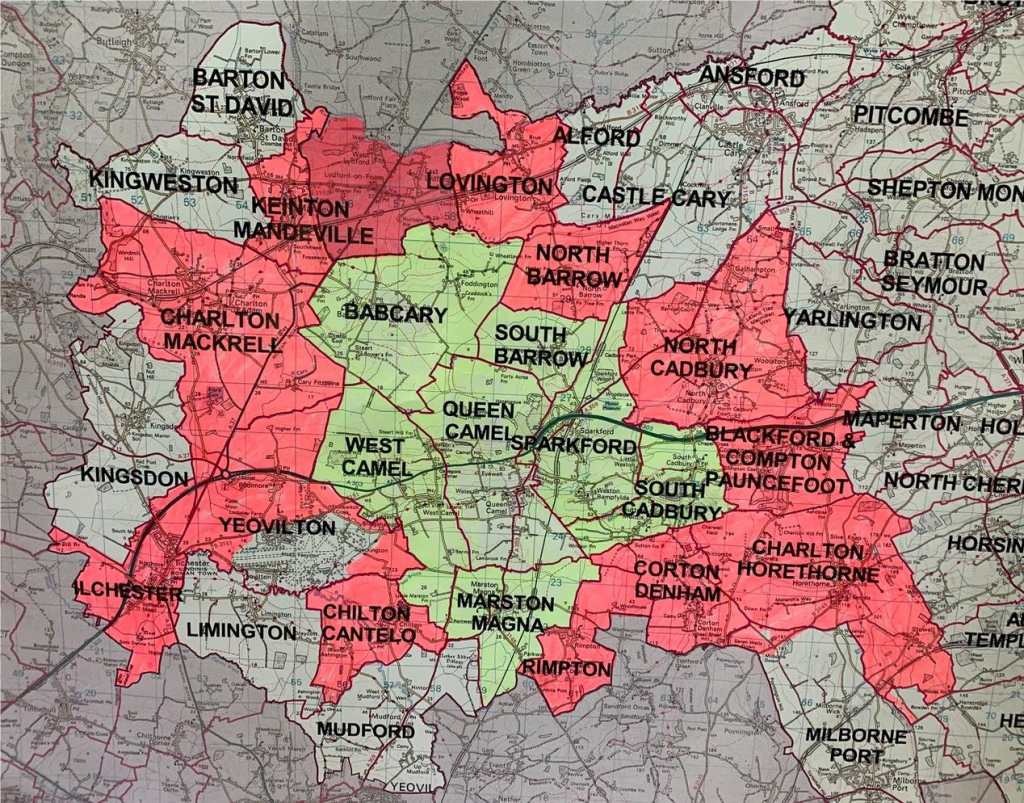
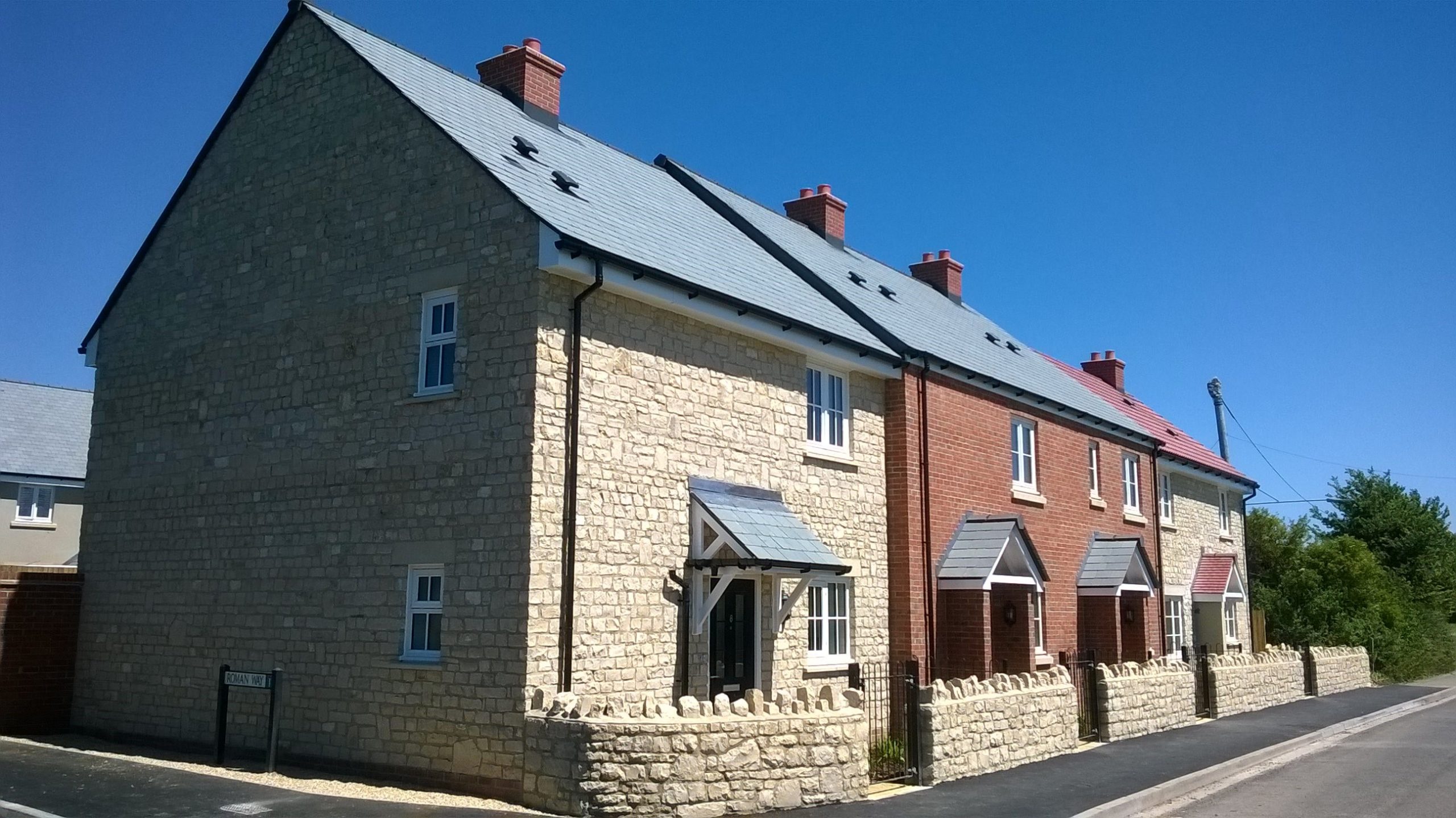
Queen Camel Community Land Trust Ltd. (QCCLT) has a geographical selection cascade for housing and for granting leases and practitioner agreements. This community is included in the Section 106 Agreement for the Affordable Housing at Roman Way. This selection cascade is not discrimination under the Equality Act of 2010.
The geographical village selection cascade for QCCLT is:
First Tier: Queen Camel
Second Tier: Babcary, Marston Magna (with Speckington), South Barrow, South Cadbury, Sparkford (with Weston Bampfylde), West Camel (with Bridgehampton).
Third Tier: Blackford & Compton Pauncefoot, Charlton Horethorne, Charlton Mackrell, Chilton Compton, Chilton Denham, Ilchester, Keinton Mandeville, Lovington, North Barrow, North Cadbury, Rimpton, Yeovilton (excluding the Fleet Air Arm).